TL;DR: In Hicksville, NY, fire damage restoration typically runs from $500 to $3,000 for soot-only cleanup after an oil burner puff back or a small kitchen fire, up to $75,000 or more for a multi-room loss that requires structural rebuild. The final number depends on how much square footage was affected, whether water from suppression soaked into floors and drywall, and how far soot traveled through the ductwork. Most standard homeowners policies cover sudden fire damage, though you still need a written scope of work and documented loss to get paid fairly.
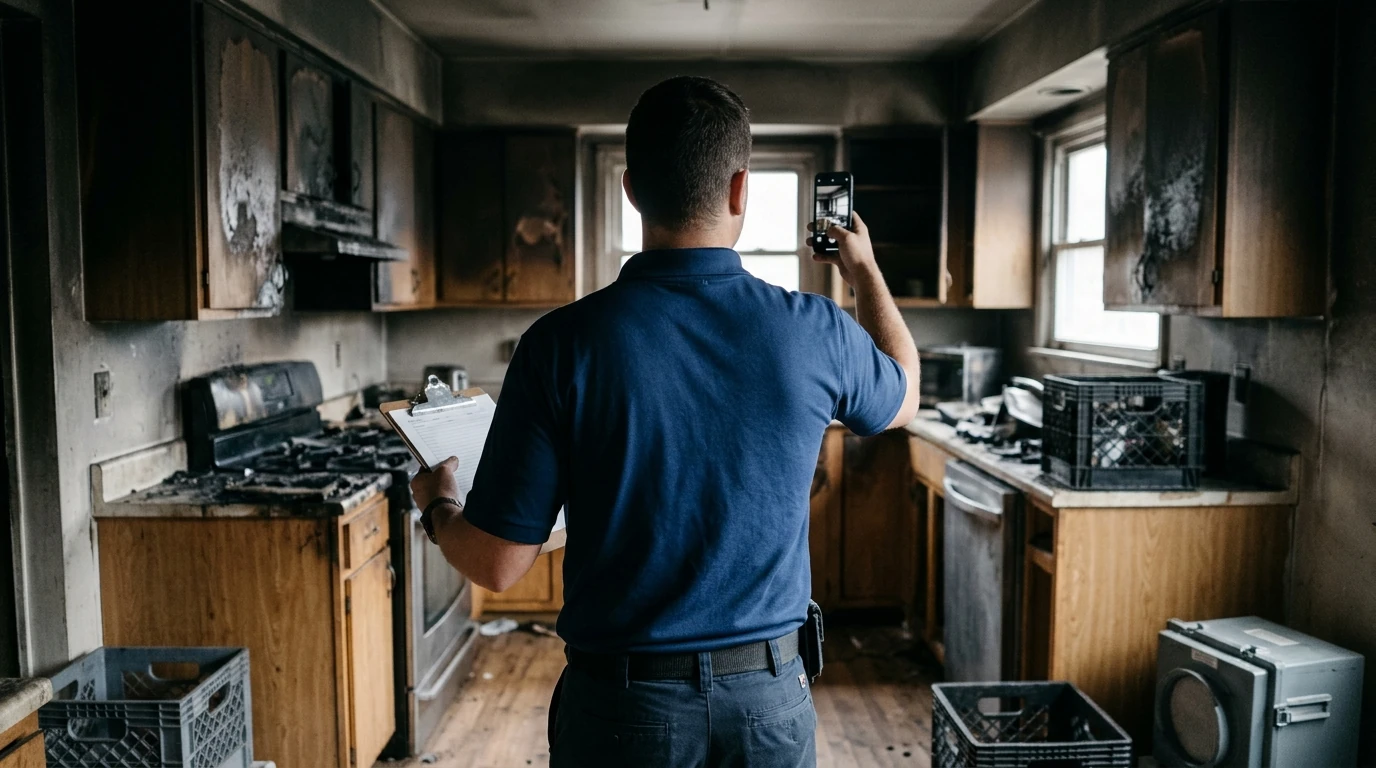
If your oil burner just “puffed back” and left a layer of black film on every wall in the house, or a pan fire on the stove scorched one cabinet and smoked up the kitchen, you’re probably trying to figure out whether this is a $600 cleanup or a $20,000 claim before you call anyone. The honest answer is: it depends on how much of the house the smoke actually reached, not just where the flames were.
How Much Does Fire Damage Restoration Cost by Scope of Damage?
Fire damage restoration in Hicksville generally falls into five cost tiers, based on how much of the structure was affected and whether water from fire suppression added a second problem on top of the fire.
| Scope of Damage | Typical Cost Range |
|---|---|
| Soot-only cleanup (oil burner puff back or small kitchen fire, no structural damage) | $500 - $3,000 |
| Smoke and soot damage, one room, contents affected | $2,500 - $7,500 |
| Fire damage plus water from suppression, one to two rooms | $7,000 - $20,000 |
| Multi-room structural damage with partial rebuild | $20,000 - $75,000 |
| Whole-house loss requiring full reconstruction | $75,000 - $150,000+ |
On a per-square-foot basis, soot and odor cleanup alone usually runs $2 to $8 per square foot. Once you’re into structural repair, framing, drywall, flooring, and cabinetry, rebuild costs often run $10 to $50 or more per square foot depending on the finishes being replaced. A kitchen fire that scorched one set of cabinets costs far less to restore than the same fire if the range hood sent smoke through the HVAC system and into every bedroom.
What Drives Fire Damage Restoration Costs Up or Down?
The price moves based on how far the smoke traveled, what materials absorbed it, and whether water was involved, not just how big the visible flame damage looks.
Soot behaves differently depending on what burned. A grease fire produces thick, oily soot that clings to surfaces and is harder to remove than the dry, powdery soot from a paper or wood fire. Protein fires (burned food) leave an invisible residue with a strong odor that’s cheap to see and expensive to fully neutralize. Restoration crews work to the ANSI/IICRC S700 Standard for Professional Fire and Smoke Damage Restoration, which sets the cleaning and testing protocols for each soot type.
Here on Long Island, a lot of the housing stock in and around Hicksville and neighboring Levittown still runs on oil heat. An oil burner puff back happens when the burner misfires and forces a cloud of fine black soot back through the ductwork or baseboard system, coating rooms the fire never touched. A puff back can leave visible soot on walls two floors away from the furnace, which is why a “small” mechanical failure sometimes costs more to clean than a contained kitchen fire.
Other cost drivers:
- Water from suppression. Sprinklers or a hose line can leave more water damage than the fire itself, adding extraction and structural drying to the scope.
- How long debris sat. Soot becomes acidic and etches metal, glass, and finishes the longer it sits, so delayed cleanup raises the cost.
- Contents vs. structure. Cleaning and deodorizing furniture, electronics, and textiles is often billed separately from structural repair.
- Code upgrades. If the rebuild triggers current building code requirements (electrical, egress, insulation), that adds to the reconstruction line item.
Does Homeowners Insurance Cover Fire Damage in New York?
Most standard New York homeowners policies cover sudden, accidental fire damage, including smoke and soot, as a named peril under the dwelling, personal property, and additional-living-expense sections of the policy. This is one of the more reliably covered losses compared to water or mold claims.
That coverage typically extends to the structure, contents damaged by fire or smoke, and temporary housing costs (loss of use) while the home is unlivable. What it usually does NOT cover without question is damage traced to long-term neglect, such as an oil burner that was known to be failing for months before the puff back. The New York Department of Financial Services publishes a plain-English breakdown of what basic homeowners coverage includes and where policyholders commonly add endorsements.
Two things protect your claim: a written, itemized scope of work from the restoration company (not a verbal estimate), and photo documentation of the damage before any cleanup begins. DISASTER RECOVERY 24/7 SPECIALISTS.COM documents the loss and provides that written scope so the adjuster is working from the same information you are, rather than negotiating from a verbal quote.
What Happens During a Fire Damage Restoration Job?
A fire damage restoration job moves through five phases, and most of the cost variation in the table above comes down to how many of these phases are actually needed.
- Emergency assessment and securing the structure. Boarding broken windows, tarping roof damage, and confirming it’s safe to re-enter before any work starts.
- Water extraction and drying, if fire suppression left standing water or wet insulation and drywall.
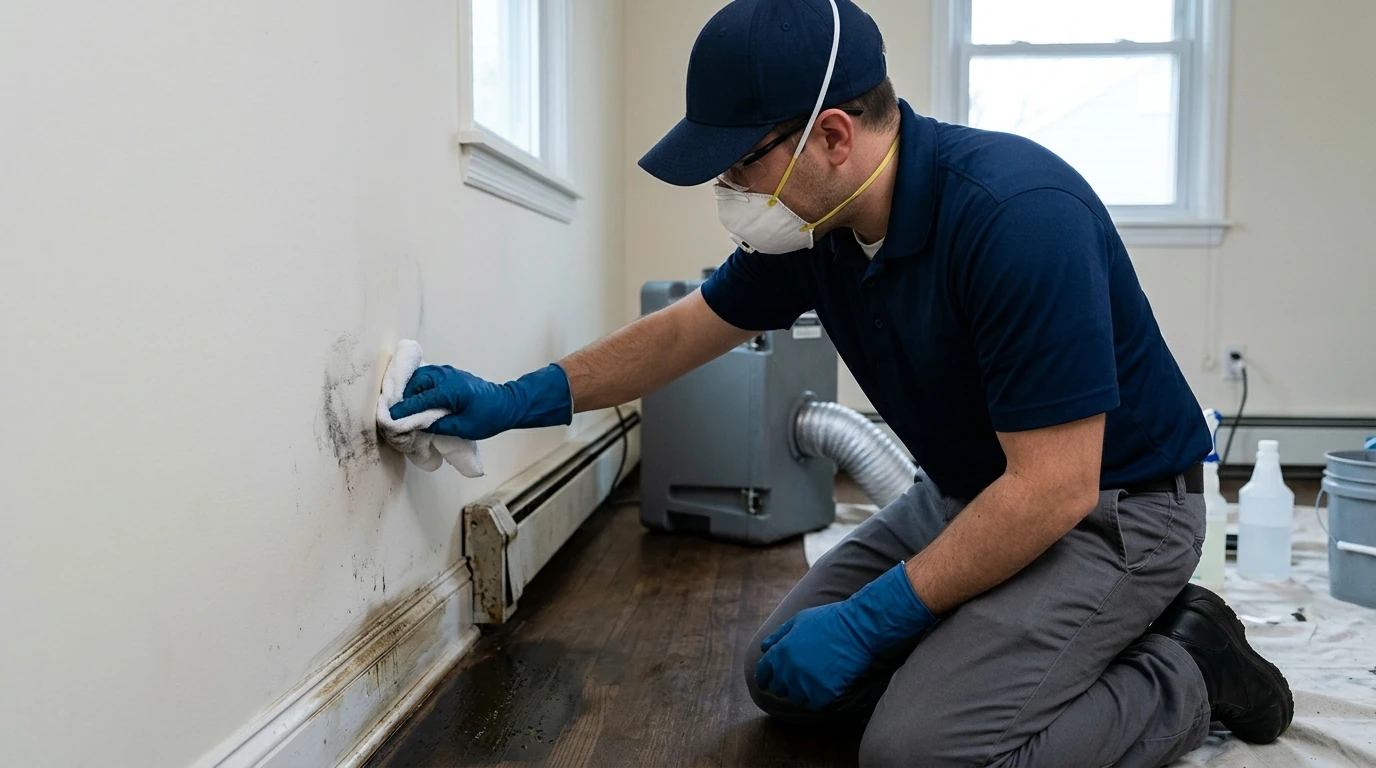
- Soot and smoke residue removal from structure and contents, using HEPA vacuuming, chemical sponges, and surface cleaning matched to the soot type.
- Odor neutralization, typically thermal fogging or hydroxyl generators, since smoke odor sits in porous materials long after visible soot is gone.
- Reconstruction, covering drywall, flooring, cabinetry, paint, and any structural framing that was charred or compromised.
For a closer look at how each phase actually runs on a real job, see our breakdown of the fire damage restoration process.
What Should You Do First After a Fire?
The first move after any fire, large or small, is getting a written assessment before you start cleaning anything yourself, since improper DIY cleaning can push soot deeper into porous materials and drive the final cost up.
Don’t run fans or wipe soot with household cleaners before a technician assesses the scope. Dry wiping dry soot can grind it into fabric and drywall, and the wrong cleaner can set protein-based residue permanently. If you’re comparing restoration companies in Hicksville first, our guide on choosing a fire damage restoration company covers what separates a thorough estimate from a rushed one.
If the smell of smoke or a layer of soot is still in your home right now, request a written fire damage assessment before you touch anything. Call DISASTER RECOVERY 24/7 SPECIALISTS.COM at (631) 831-1880 for a documented scope you can hand straight to your adjuster.
About DISASTER RECOVERY 24/7 SPECIALISTS.COM
DISASTER RECOVERY 24/7 SPECIALISTS.COM has served Hicksville, NY and surrounding Long Island communities since 2008. The company holds IICRC certifications in water restoration (WRT), fire and smoke restoration (FSRT), mold remediation (AMRT), and structural drying (ASD), and is licensed and insured. Its crews handle fire and smoke damage restoration, reconstruction, water damage restoration, and related services across Hicksville, Levittown, Hempstead, and nearby towns, available 24/7.